Locations:





How to handle breathing difficulties, rashes, hives and more

Image content: This image is available to view online.
View image online (https://assets.clevelandclinic.org/transform/1dc4b1b0-befc-45a3-af1e-245ba71d2772/AllergicReactions-13552298752-770x533-1_jpg)
Person with rash surrounded by circles featuring small illustrations of food, pets, and plants
Pollen, dust, animal dander, nuts, shellfish and other foods — these can all cause an allergic reaction in susceptible people.
Advertisement
Cleveland Clinic is a non-profit academic medical center. Advertising on our site helps support our mission. We do not endorse non-Cleveland Clinic products or services. Policy
Symptoms can range from being mildly uncomfortable and annoying to serious and life-threatening. So, it’s good to know what to do if you or someone you’re with has an allergic reaction.
Allergist and immunologist Anuja Kapil, MD, breaks down what to look for in an allergic reaction and how to handle different situations.
When you eat, breathe in or touch something that you’re allergic to, your immune system produces histamines to deal with the bothersome substance.
But while your body’s intentions might be good, that natural response can trigger symptoms like:
Given the range of reactions to allergens, treatment recommendations can vary from immediately calling 911 for help to simple at-home remedies. Different situations require vastly different responses.
So, let’s break it down by some of the more common symptoms.
Don’t delay getting medical attention for anaphylaxis, which is when allergic reactions take a severe turn. Dial 911 — and do it ASAP.
“Calling 911 is better than driving to the emergency department,” says Dr. Kapil. “Emergency medical technicians in an ambulance have protocols and access to treatments specifically for severe allergic reactions.”
Advertisement
In addition, many people with potentially life-threatening allergies carry an injector that can deliver a dose of epinephrine (adrenaline). This shot of adrenaline — typically delivered in your thigh — can help reverse severe allergic reactions while you await medical care.
Use the epinephrine injector if a reaction is serious. Your or someone’s life may depend on taking quick action.
Food allergies are the most common trigger of anaphylaxis. Severe reactions also can be brought on insect stings, latex or medications.
An allergic reaction that makes it difficult to breathe can create a sense of impending doom, says Dr. Kapil. Understand that an anaphylactic reaction can be an intense situation. It’s important to remain calm.
Wash the affected skin area with mild soap and lukewarm water to remove the allergen. Afterward, apply hydrocortisone cream or lotion. Calamine lotion and cool compresses may also bring relief.
If your itchiness is severe, your rash doesn’t go away or you see signs of infection, call your doctor.
A few other tips:
The good news? Hives will subside in time. Meanwhile, it helps to:
When you have multiple allergic symptoms, a nasal spray or over-the-counter antihistamine such as loratadine (Claritin®) can treat them.
Dr. Kapil advises against using products that have a sedative effect, such as Benadryl®.
Knowing what causes your allergic reaction can help you avoid future situations. It could even connect the dots to other potential allergens, too. For example:
So follow up with your doctor and ask about allergy testing, advises Dr. Kapil. “Testing can help pinpoint the reason behind your reaction,” he says. “Better yet, it might help keep you away from what triggered it.”
Advertisement

Sign up for our Health Essentials emails for expert guidance on nutrition, fitness, sleep, skin care and more.
Learn more about our editorial process.
Advertisement
Autumn allergens typically begin to bloom — and release their pesky pollen — around August
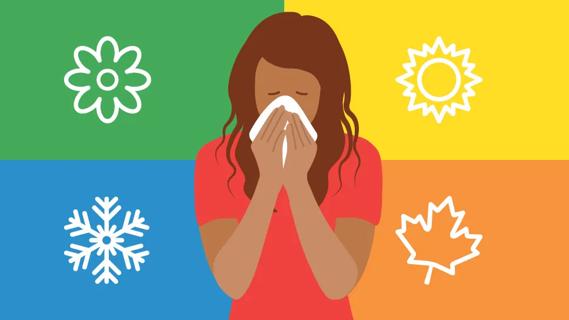
Aging, time of day, time of year and weather patterns can all make your allergies worse

Drowsiness can be a side effect of inflammation, disrupted sleep and, sometimes, your allergy medicine
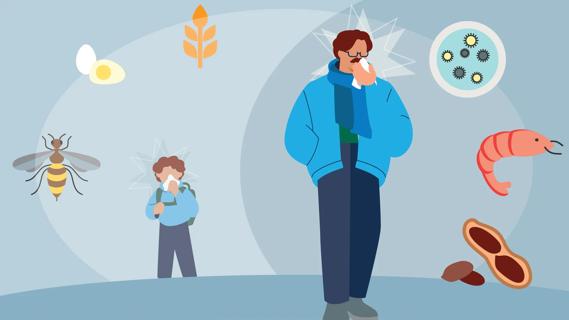
Changes in your immune system, environment and exposure can all cause allergy symptoms to fade with time

The research is mixed, but experts agree: The risks outweigh the benefits

Keeping your windows closed, showering before bed and using OTC allergy meds may help keep summer sniffles at bay
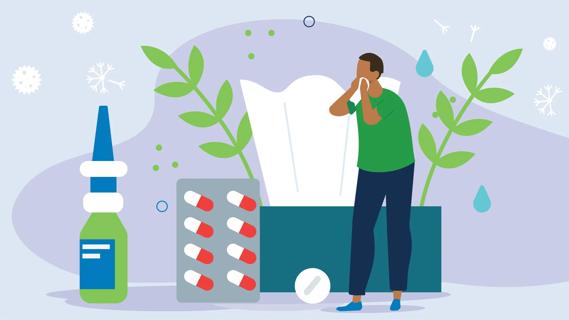
The right choice for you depends on your symptoms, but options like nasal sprays and antihistamines can offer relief

When your allergies flare up depends on your location, immune health, personal triggers and more

Most breast pain isn’t a sign of cancer, but certain symptoms deserve a closer look

It’s a myth that you should avoid sleep (or have someone wake up throughout the night) after a head injury

The color and shade of your urine offer a window to your health
 Search










